-
Availability
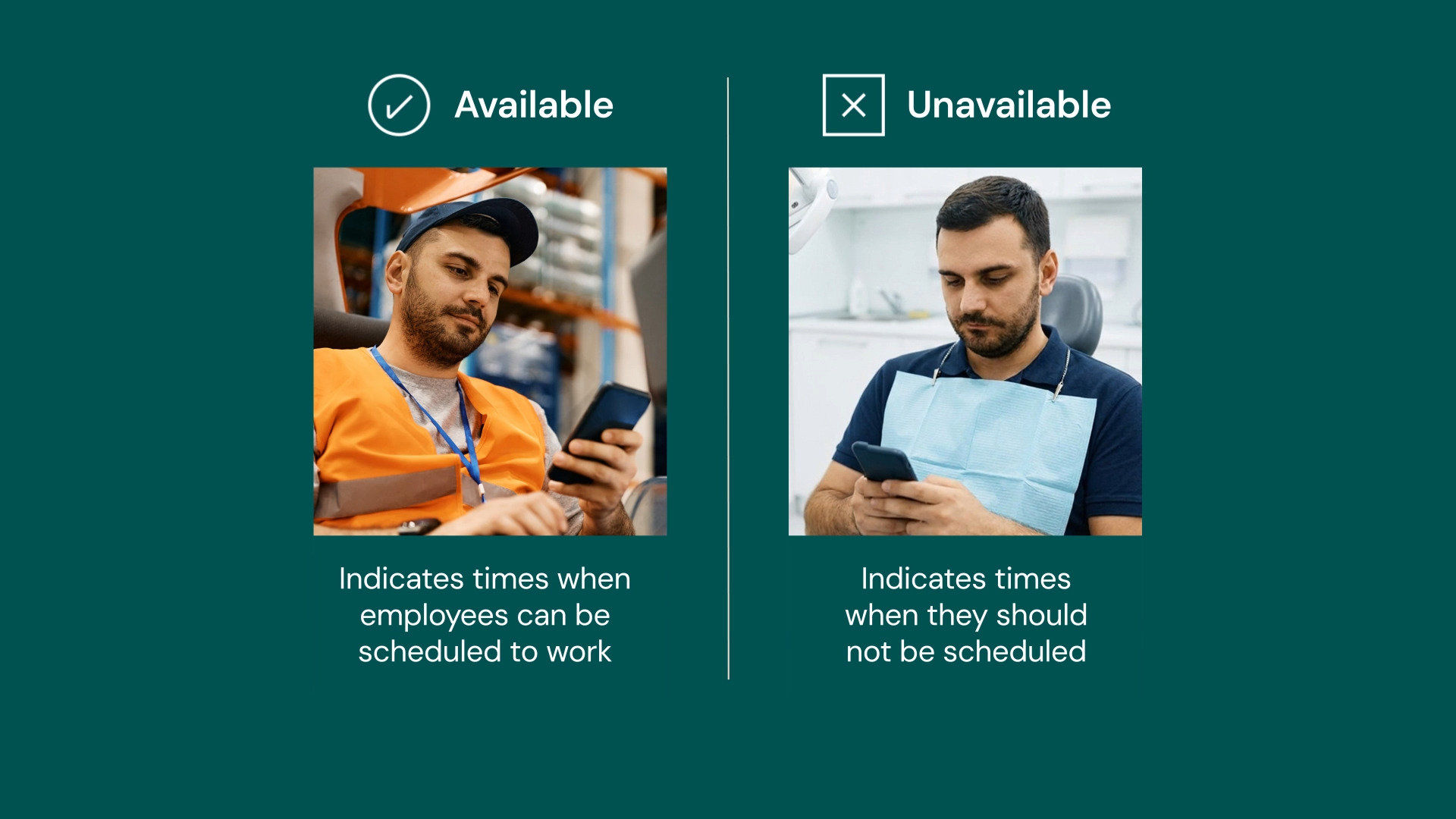
Availability helps managers track and view when employees can or cannot work while creating or maintaining schedules. Managers can define an employee's availability for each day of the week or for different times of the day.
2:05
-
Cover Requests
A cover request is a type of employee scheduling request that allows an employee to ask another employee to work their shift for them, without trading shifts.
1:38
-
Life Cycle of a Schedule/Scheduling Process
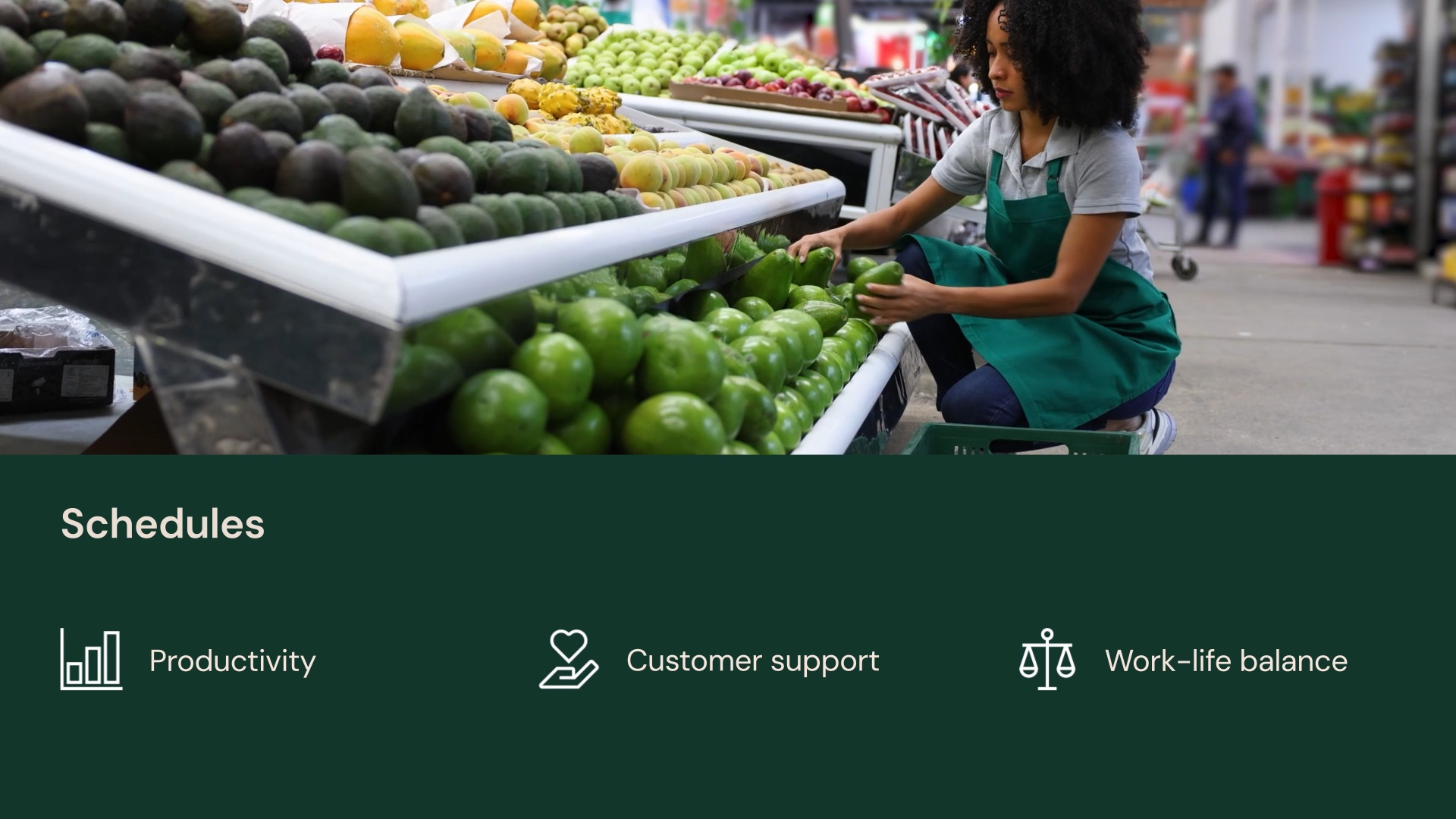
Schedules play a critical role in productivity, customer support, and employee work-life balance. With electronic scheduling, organizations can also get more value from their workforce management solution.
1:43
-
Schedule Engines
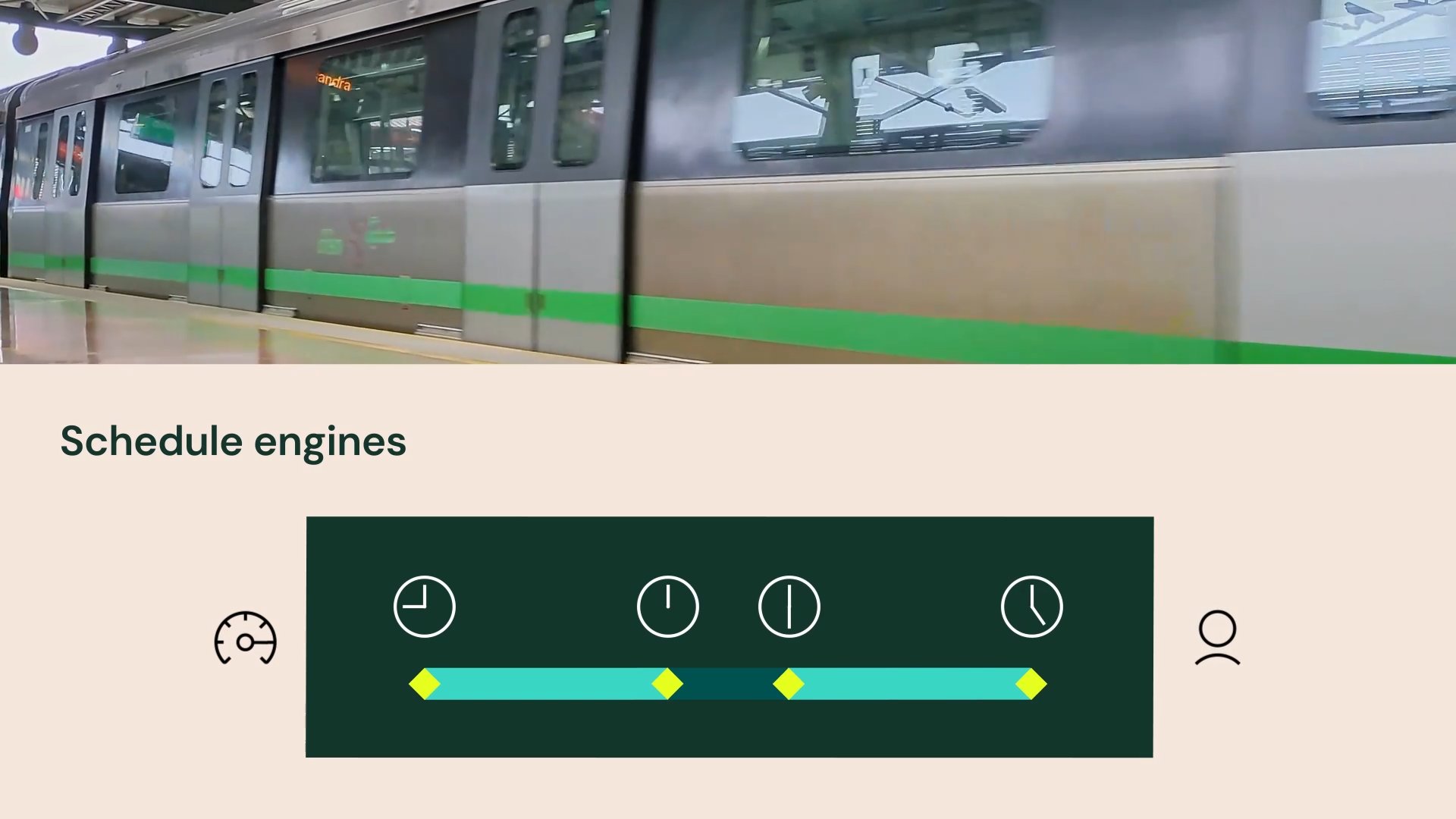
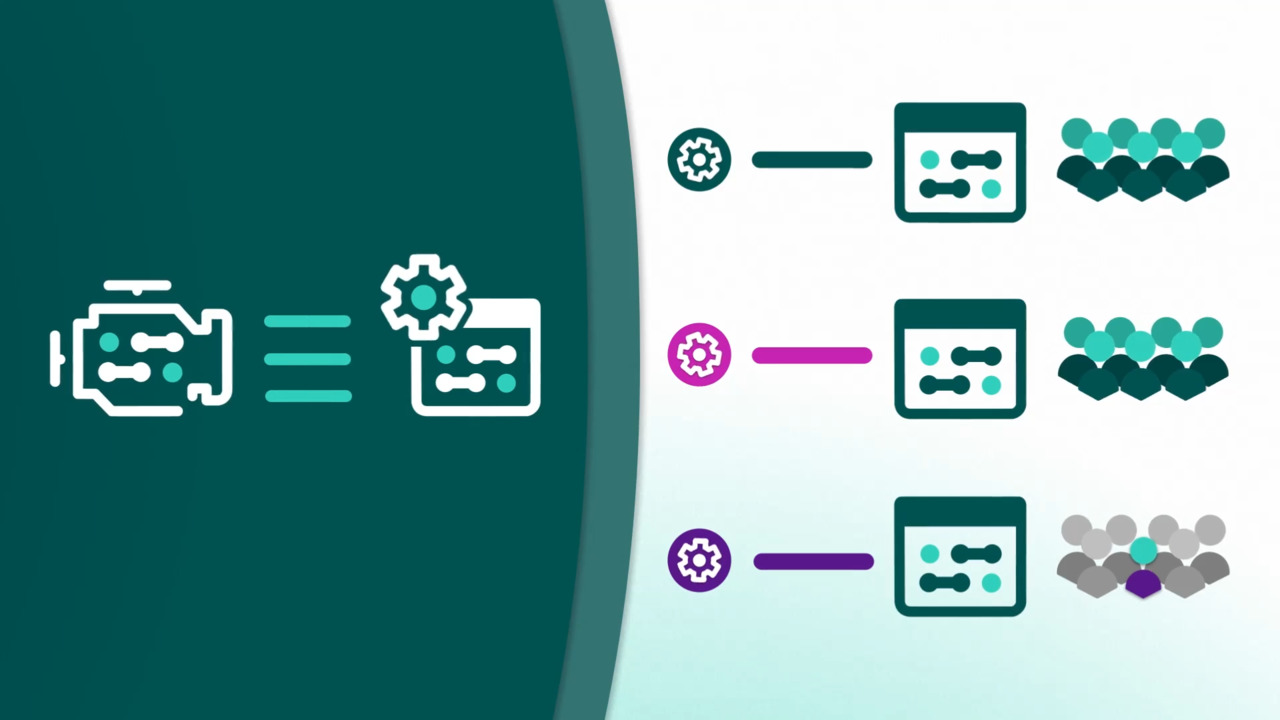
Organizations can use schedule engines to automatically create schedules based on their unique business needs. Depending on the solution, these tools may also be called a schedule generator, auto scheduler, or priority scheduling engine.
1:14
-
Schedule Rule Severity Levels
When organizations use schedule rules to monitor compliance with scheduling policies and practices, each rule has a severity level that determines the rule’s importance.
1:29
-
Schedule Rules, Constraints, and Violations
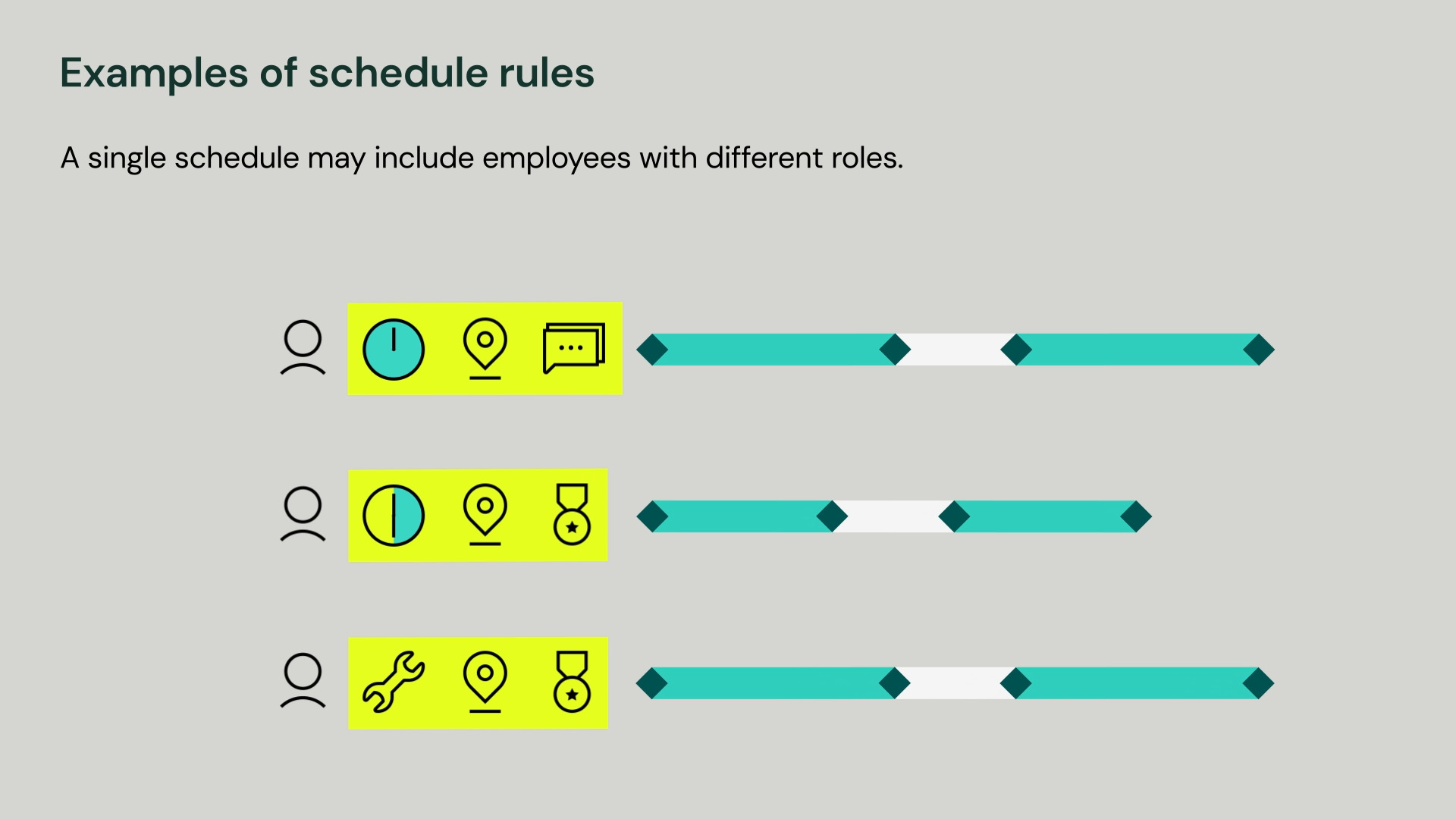
Schedule rules are guidelines organizations enforce within employee schedules. These rules can come from company policies, union agreements, or legal regulations, and may apply to employees, locations, or the schedule itself.
1:40
-
Shift Patterns
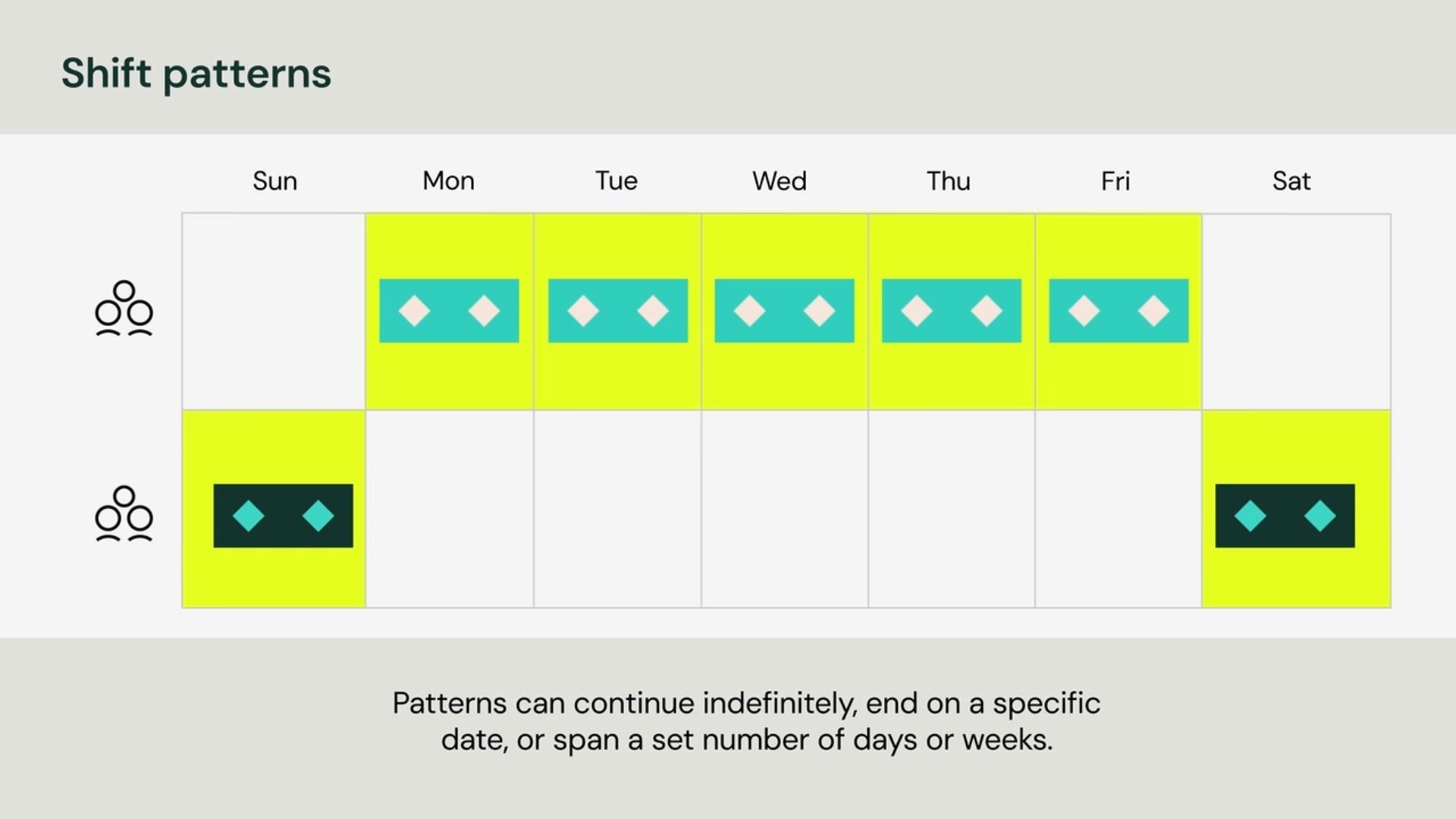
Many employees work standard shifts that repeat over time. To simplify scheduling, organizations can assign shift patterns that define an employee's base schedule.
1:19
-
Shift Swaps or Shift Trades
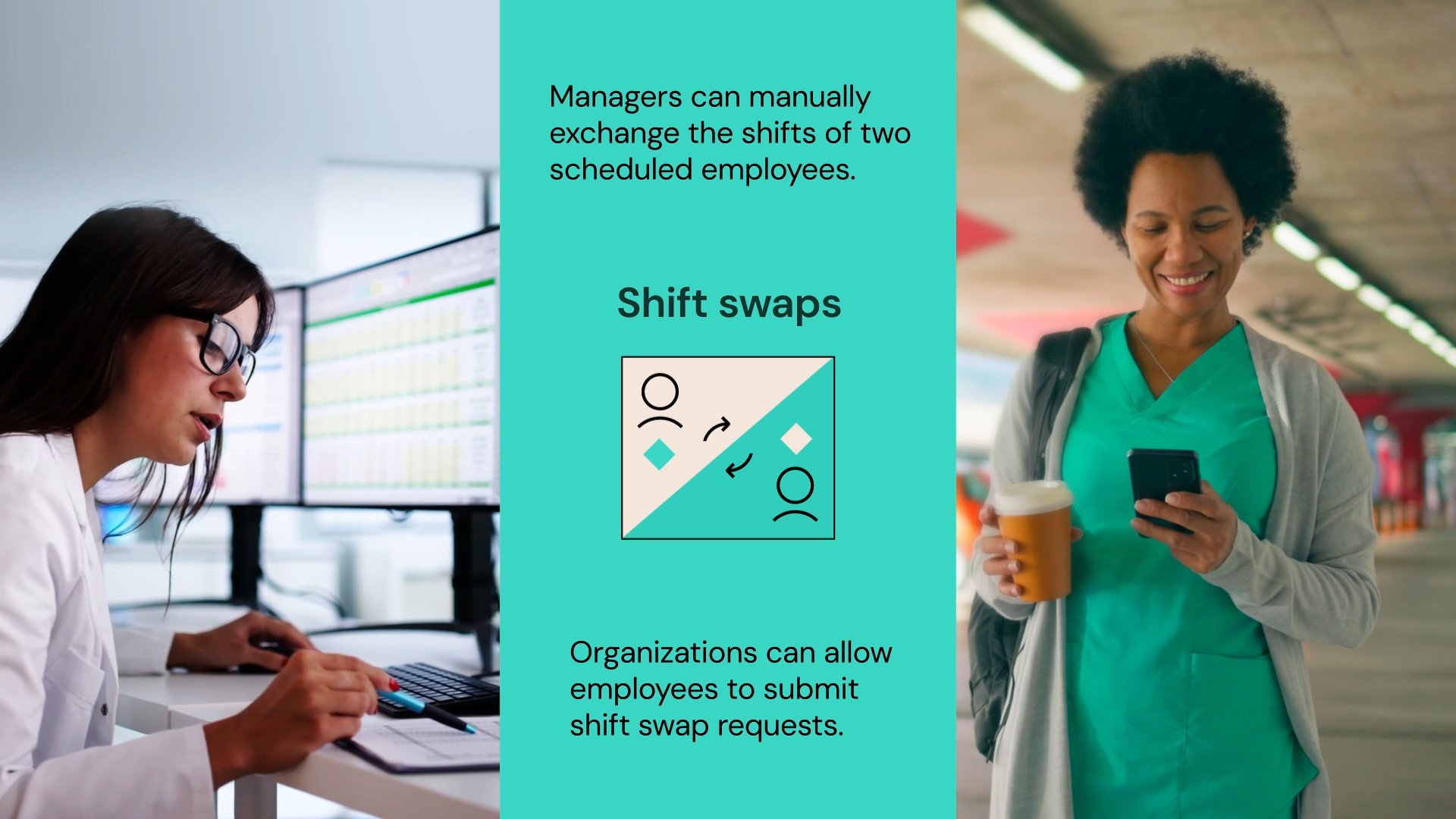
When employees cannot work an assigned shift, they may be able to trade it with a coworker instead of requesting time off. In the scheduling solution, this is known as a shift swap or shift trade.
1:00
-
Shift Templates
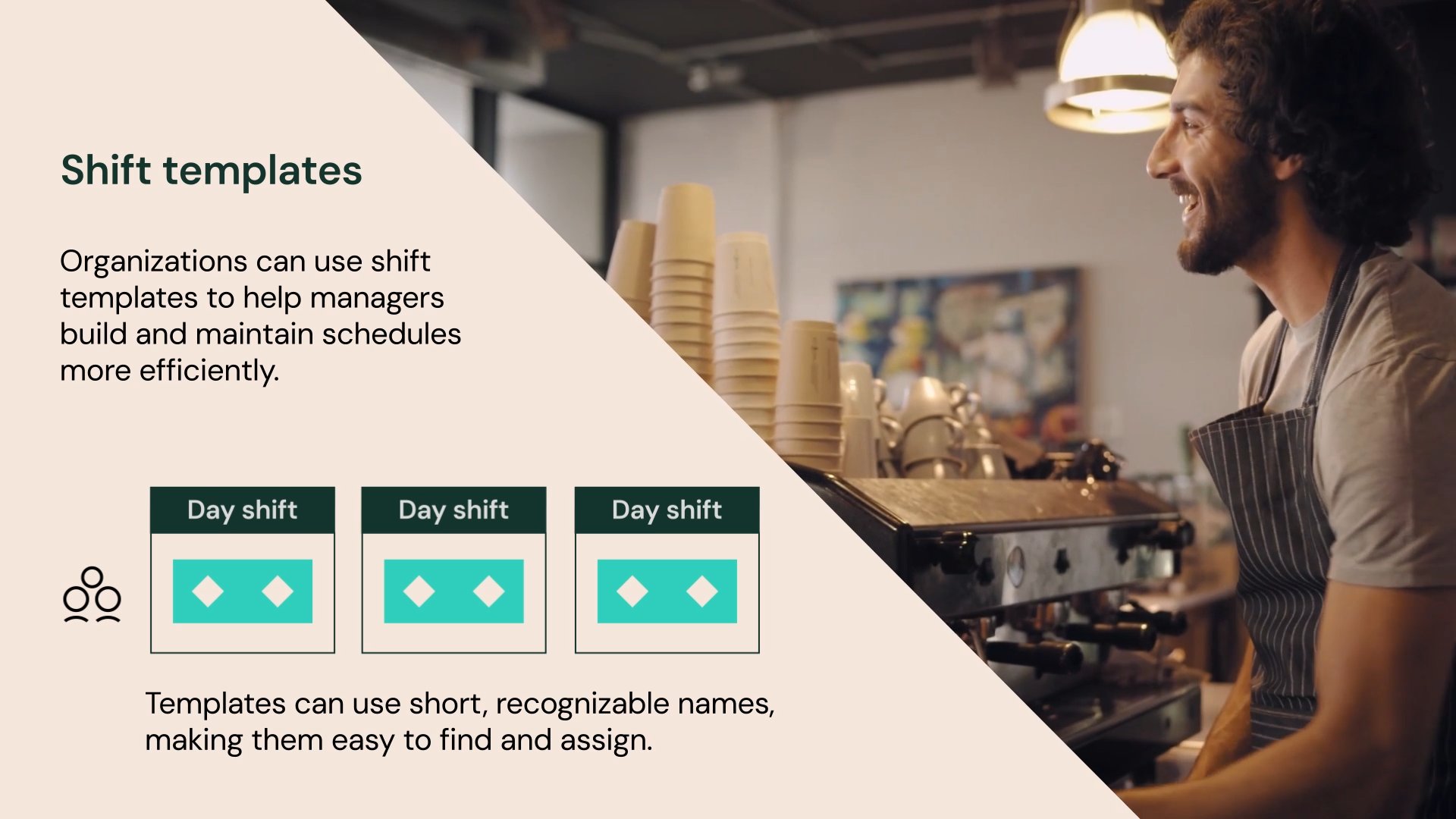
When groups of employees regularly work the same shifts, organizations can use shift templates to help managers build and maintain schedules more efficiently. Templates can use short, recognizable names, making them easy to find and assign.
0:57
-
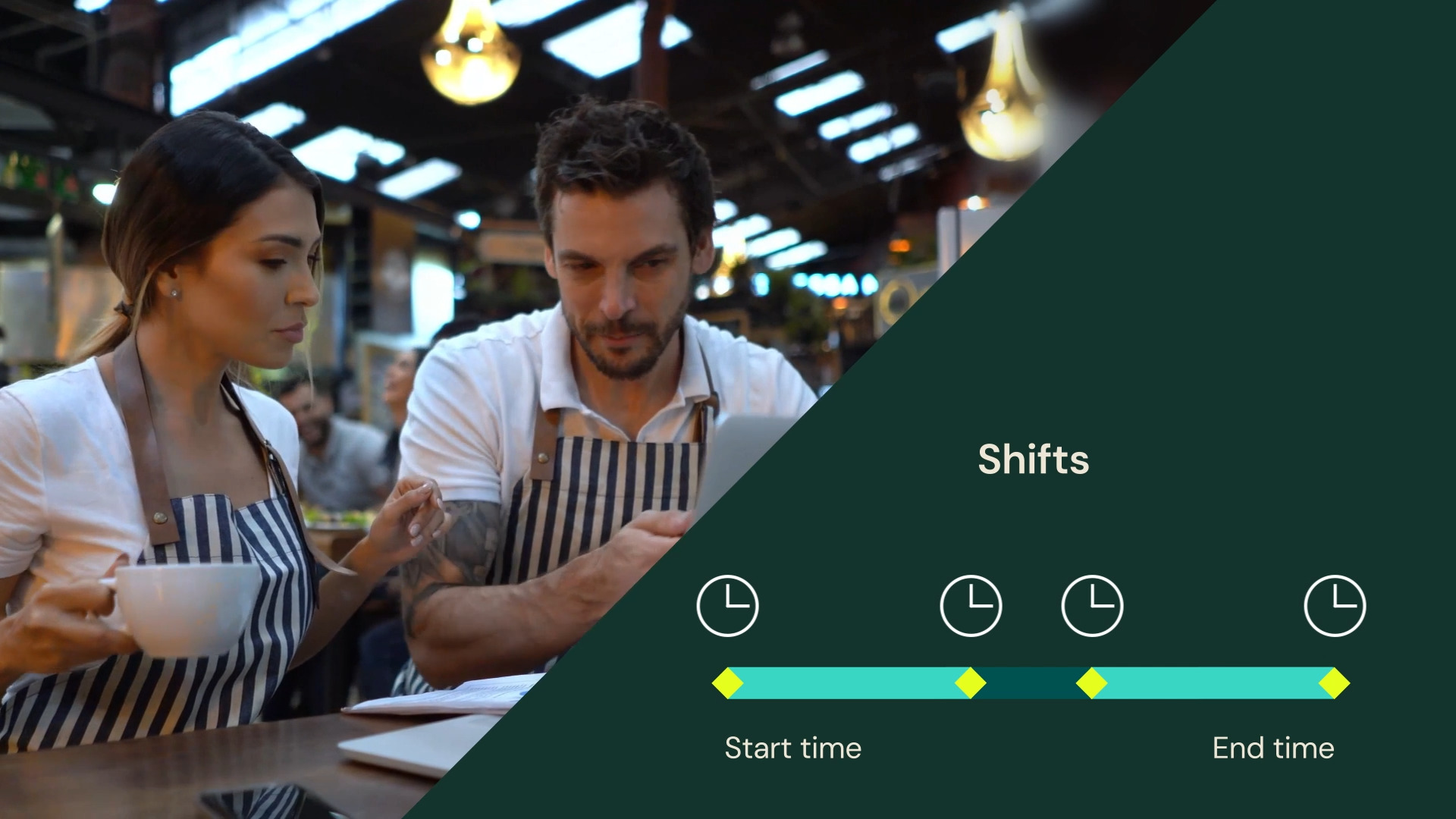
Shifts
In order to schedule employees appropriately to work, organizations use shifts. A shift is the specific start time, end time, and job for which an employee can be scheduled to work.
1:21
-
Skills
A skill is a specialized ability or attribute of an employee that can be tracked in the system to match the right employees with the right shifts, such as language fluency, communicate skill, and so on. Skills do not expire.
1:18
-
Volume Drivers
Volume drivers are specific business drivers that can be measured and tracked in the solution. They help to forecast future business volume and labor requirements.
1:03
- Load More

UKG Concepts Video Gallery