-
Visibility Periods
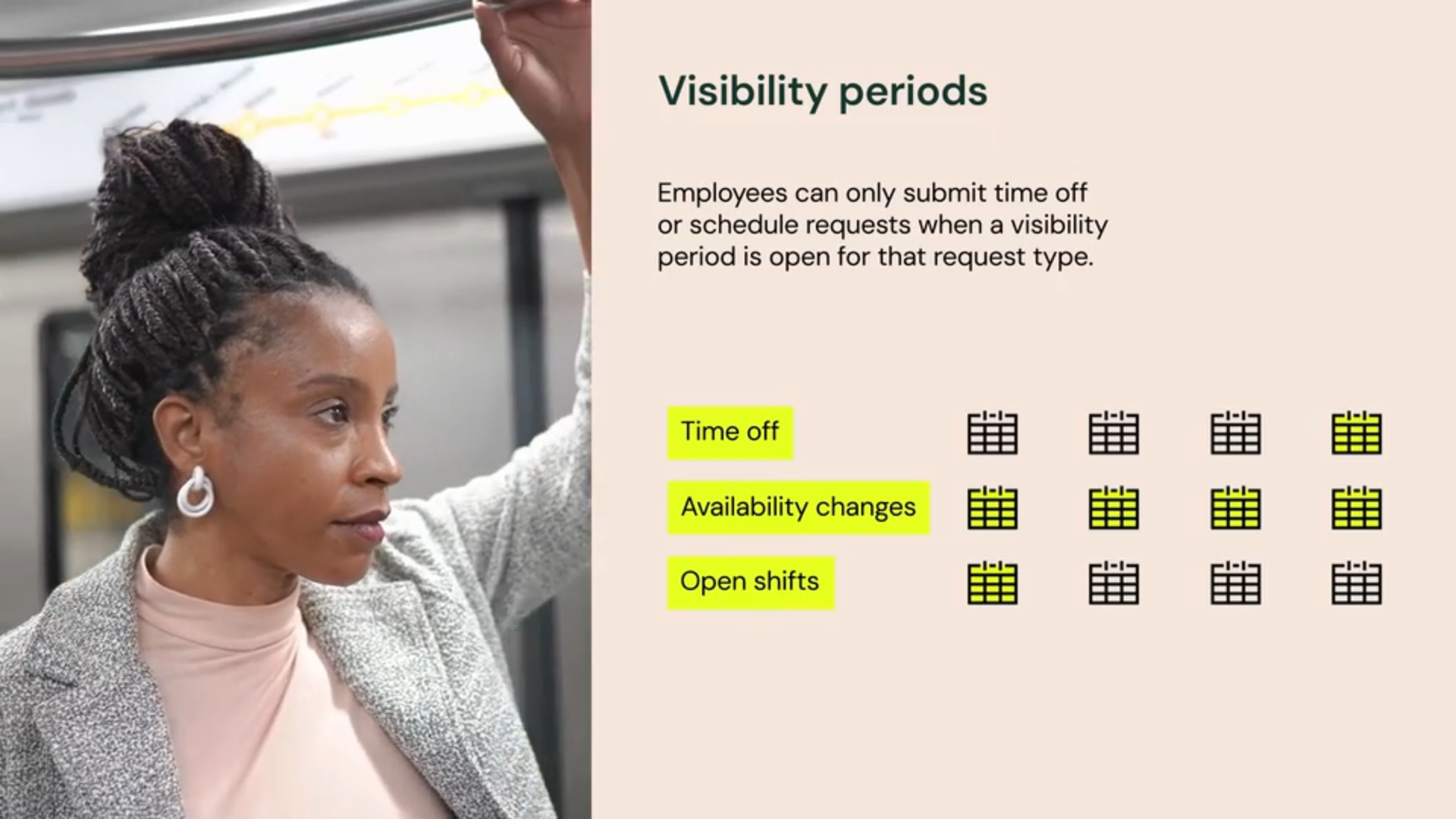
Employees can only submit time off or schedule requests when a visibility period is open for that request type. Visibility periods control when employees can submit requests and when the requested event can occur.
1:46
-
Life Cycle of a Schedule/Scheduling Process
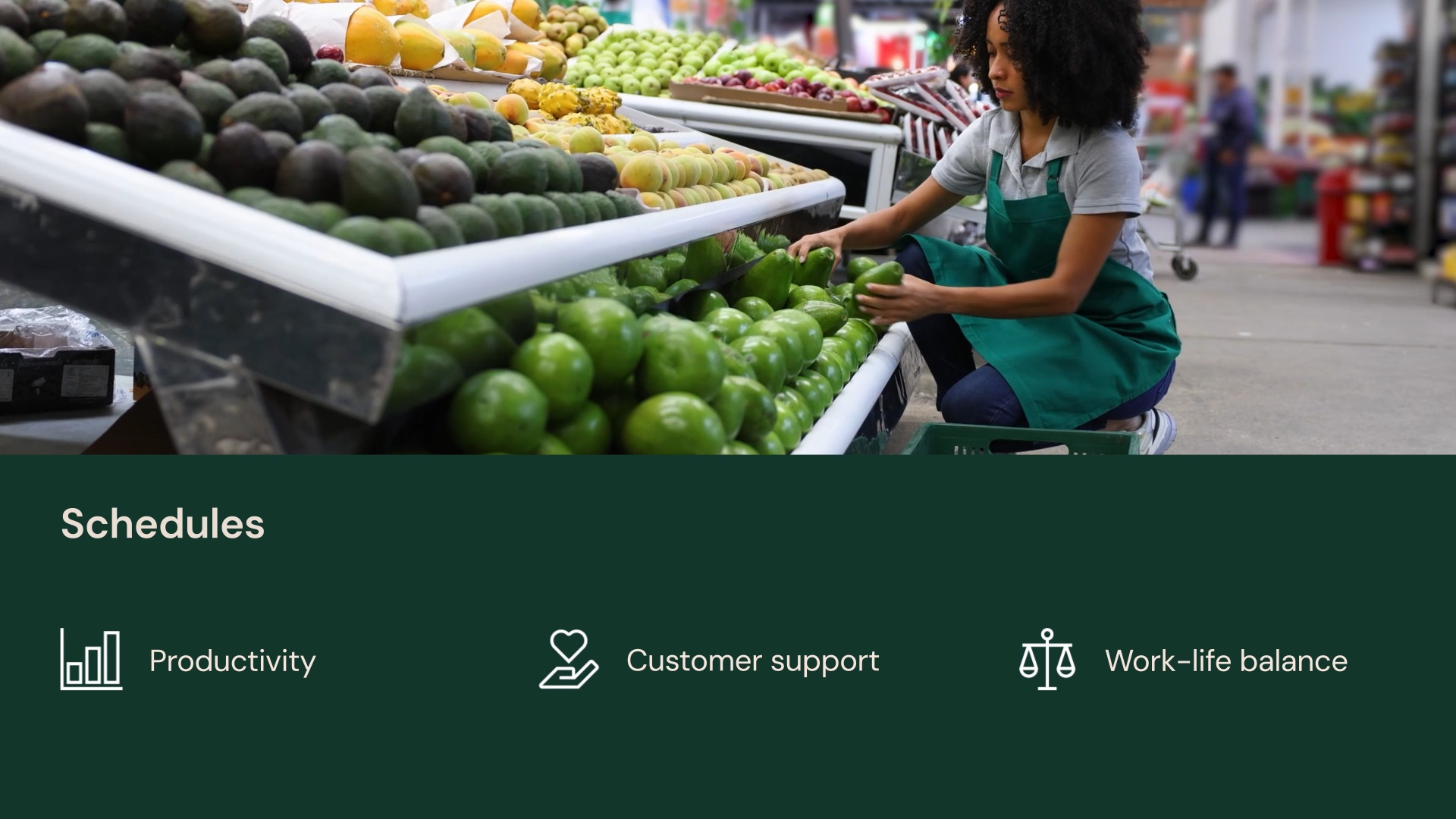
Schedules play a critical role in productivity, customer support, and employee work-life balance. With electronic scheduling, organizations can also get more value from their workforce management solution.
1:43
-
Shifts
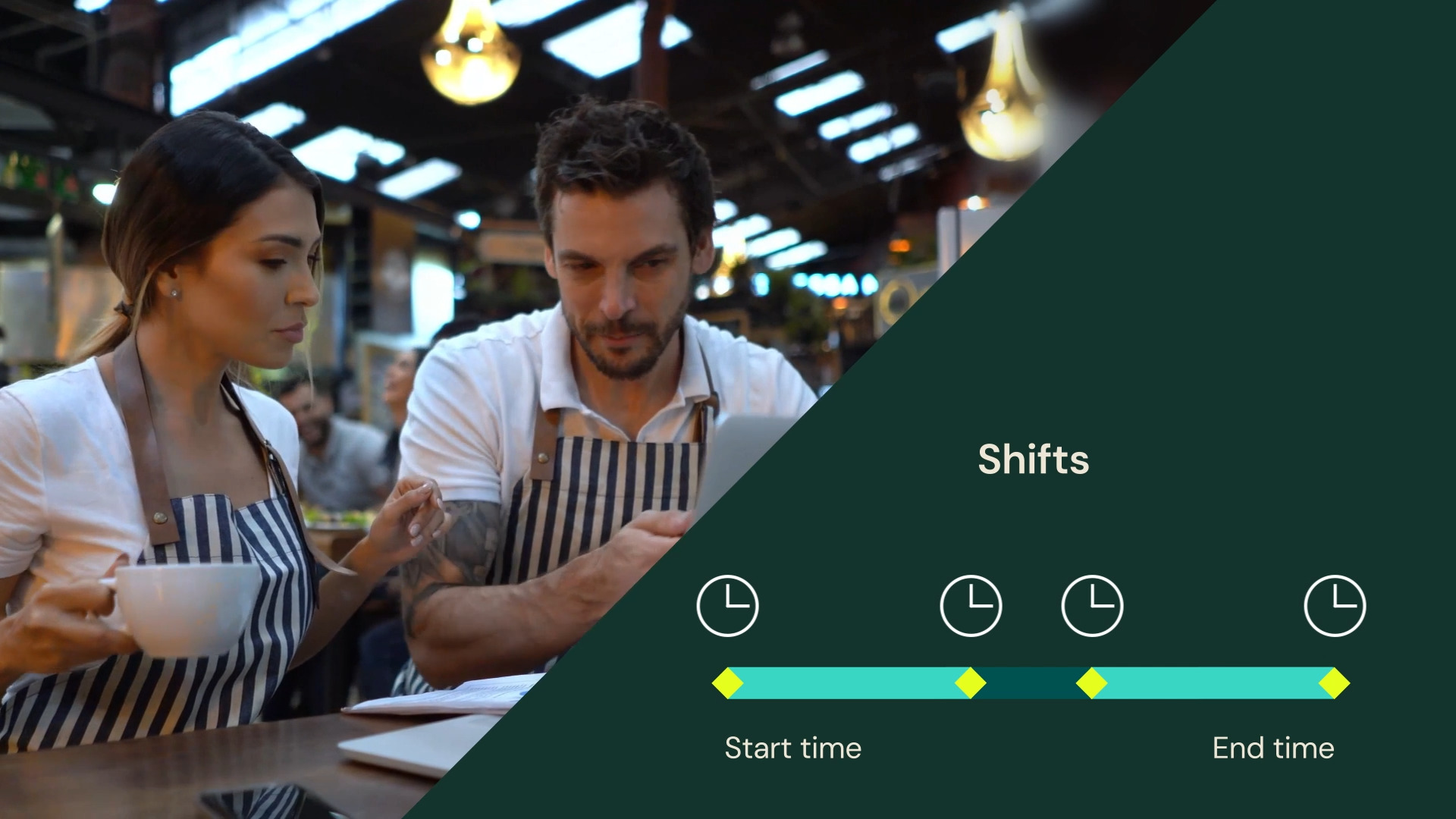
In order to schedule employees appropriately to work, organizations use shifts. A shift is the specific start time, end time, and job for which an employee can be scheduled to work.
1:21
-
Shift Templates
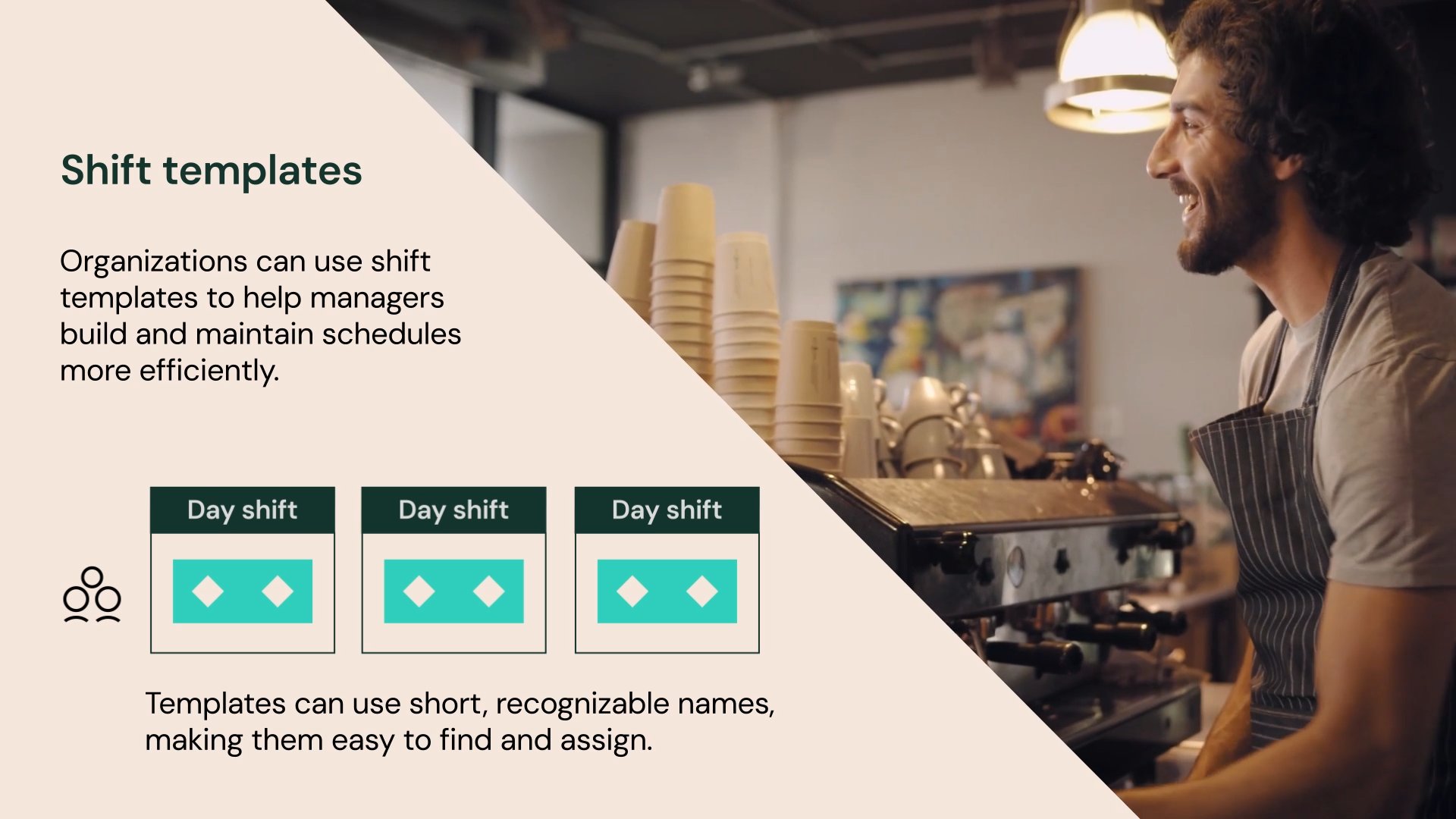
When groups of employees regularly work the same shifts, organizations can use shift templates to help managers build and maintain schedules more efficiently. Templates can use short, recognizable names, making them easy to find and assign.
0:57
-
Shift Patterns
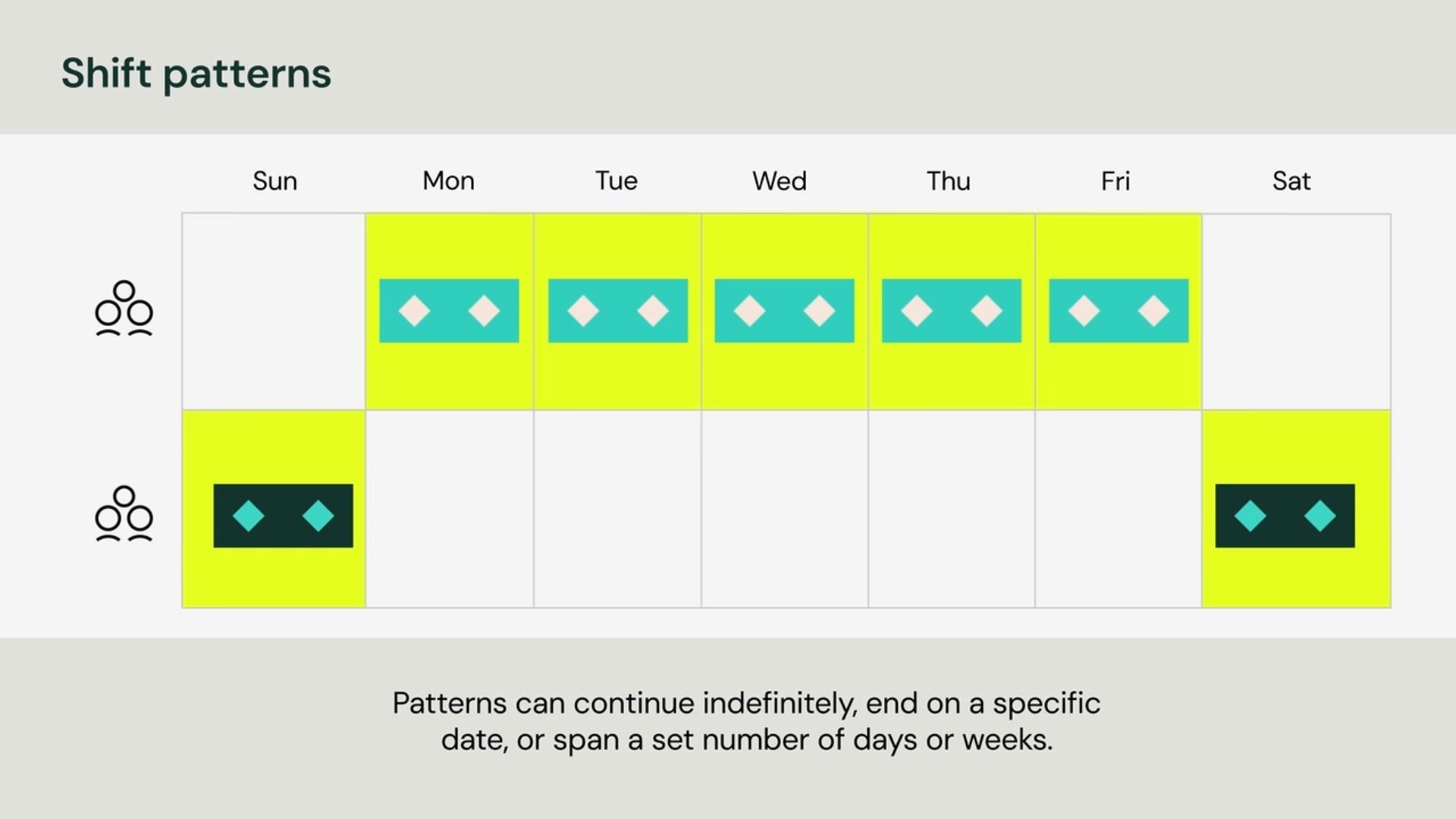
Many employees work standard shifts that repeat over time. To simplify scheduling, organizations can assign shift patterns that define an employee's base schedule.
1:19
-
Schedule Groups
A schedule group is a set of employees who share similar scheduling details. Managers use schedule groups to quickly apply the same shifts, patterns, and/or pay codes to all group members simultaneously.
1:55
-
Pay Types in Scheduling
Employees may sometimes be unable to work their assigned shifts or unavailable for future scheduling. In other cases, they may need to work a special type of shift.
1:37
-
Scheduling Locations
A scheduling location is the area of an organization’s business structure where an employee is assigned to work, for example, a specific unit or department and job.
1:04
-
Visibility Periods
Employees can only submit time off or schedule requests when a visibility period is open for that request type. Visibility periods control when employees can submit requests and when the requested event can occur.
1:46
-
On-Call
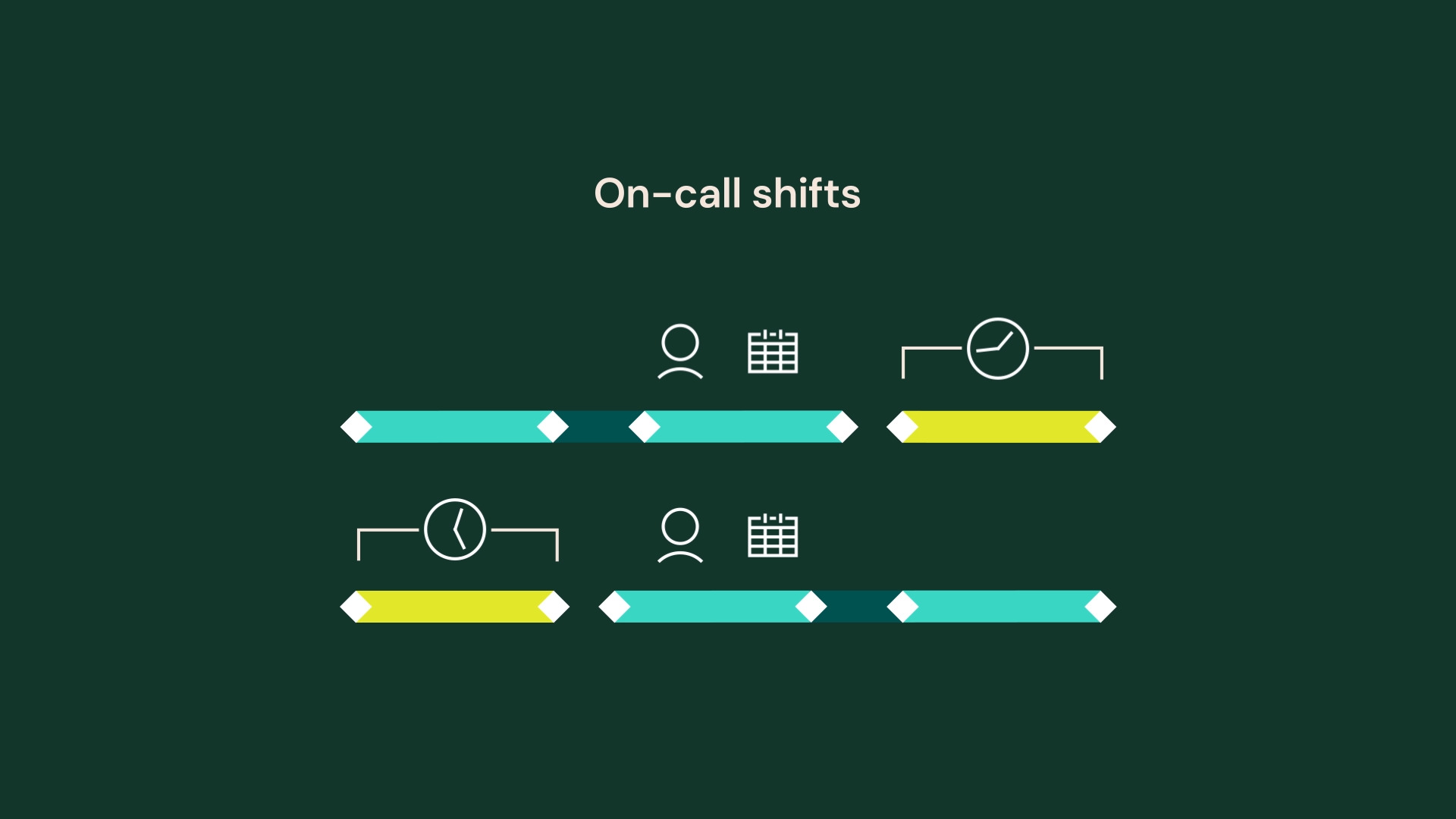
Organizations often use scheduled shifts, such as on-call and callback, to ensure critical workers are available when needed. These policies are closely related.
1:34

UKG Concepts Video Gallery