-
Goals and Competency Weighting
Goals and competencies are critical components of a company’s performance review process. To help employees and managers prioritize tasks, a weighting option can be added to goals and competencies.
2:46
-
Goals versus Goal Planning
Both the Goals feature and Goal Planning feature provide direction, measure progress, and improve accountability throughout an organization. However, these features are not meant to be used together and organizations should decide which to use.
2:35
-
Leadership Actions
Leadership actions are planned activities managers use to engage with their employees.
1:20
-
Peer Feedback
Peer feedback involves sharing observations, opinions, and experiences with coworkers or team members. It is an essential aspect of collaboration and personal growth.
2:01
-
Performance Competencies
Competencies describe the skills, knowledge, and behaviors employees demonstrate to perform their jobs successfully. Organizations typically use two types of competencies, company competencies and job competencies.
1:30
-
Performance Goals
Goals are an important part of the performance review process. They help evaluate employee performance against company objectives while providing employees with clear direction throughout a review period.
1:01
-
Personal Development Plans
Personal development plans are the preferred tool for employee development.
1:32
-
Review Templates and Profiles
Administrators use review templates or profiles to create, schedule, and distribute reviews. Templates and profiles are made up of several components, which must be configured individually if used in a review.
1:22
-
SMART Goals
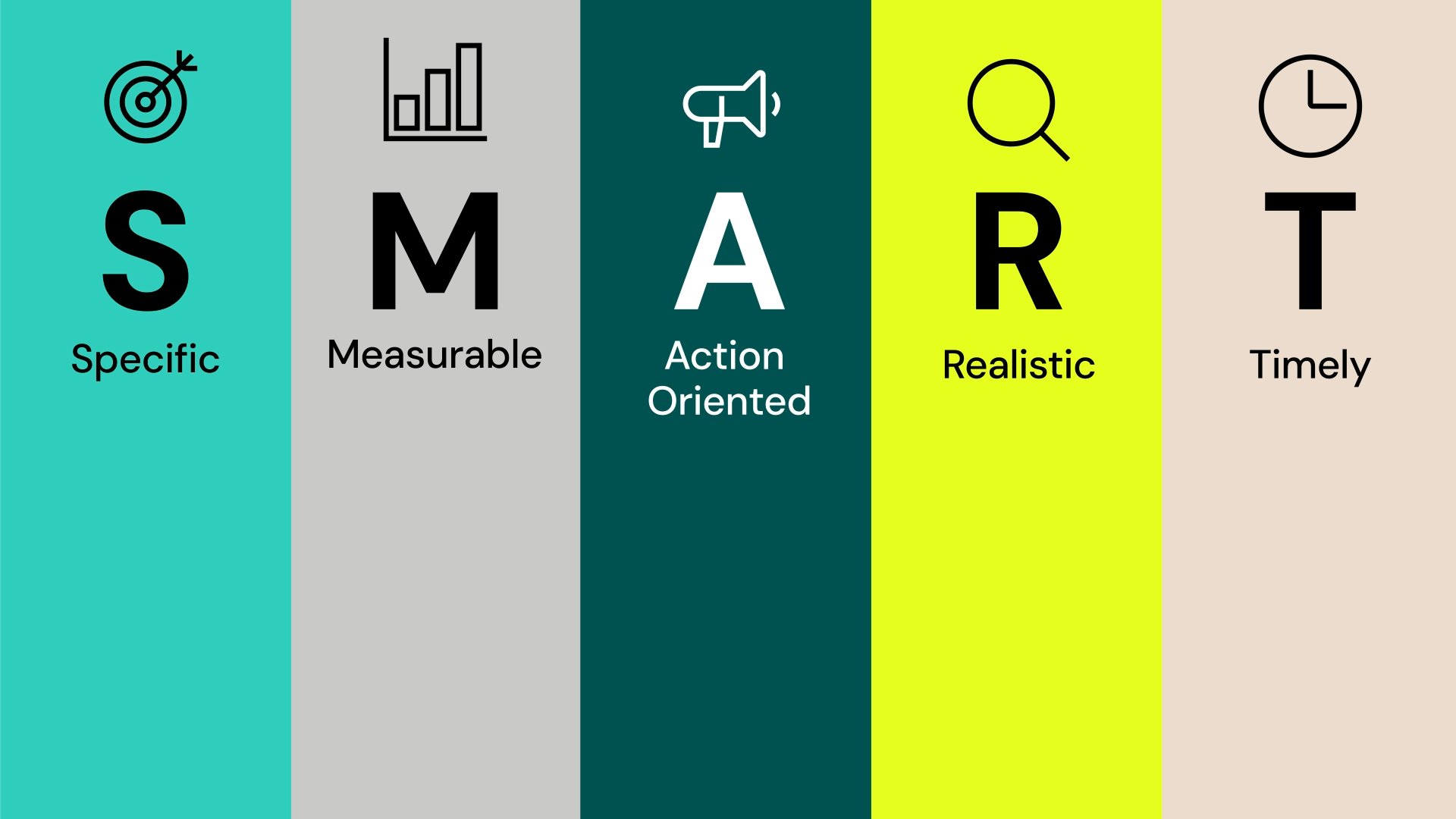
SMART goals are specific, measurable, action-oriented, realistic and timely.
2:58
-
Talent Card
Talent cards consolidate several key pieces of employee data into one view for the purpose of talent evaluations and comparisons.
1:59
-
Talent Factors
Talent factors help evaluate key aspects of an employee's talent, making it easier to identify career growth and development opportunities. Evaluations focus on performance, advancement potential, criticality, and retention.
1:24

UKG Concepts Video Gallery